
Vitamin C: A Holistic Approach for Radiant Skin
One cosmetic ingredient that has truly wowed me over the years is actually a vitamin. One that we most definitely have all heard of. We've all reached for when we’re feeling rundown or trying to fight off a cold. This familiar nutrient is just as powerful on the skin as it is inside the body: vitamin C.
Vitamin C is the ultimate multitasker in skin health. It acts as a powerful antioxidant, a collagen-booster, and a skin brightener. Most commonly employed in cosmetic formulas for its use as an agent in treating photoaging. My favorite use for it is treating hyperpigmentation. I swear that you can see its effects overnight, it is so powerful!
From sipping orange juice to layering serums, a combined internal and topical strategy ensures you tap its full potential.
The Science Behind Vitamin C
Vitamin C, also known as ascorbic acid, is a naturally occurring antioxidant that many species can actually synthesize in their bodies. Humans, however, rely on our diets in order to attain the vitamin C we require to function because we lack the enzyme required for its synthesis. Luckily for us many leafy greens, fruits and veggies contain high amounts of vitamin c.
Biologically it neutralizes free radicals, preventing oxidative damage to collagen and elastin. It also inhibits tyrosinase, curbing melanin production for a more even tone. Because our bodies can’t produce or store it, regular replenishment is key, both inside and out. One thing to note is that even though vitamin C has an amazing effect on the skin, when ingested it takes a lot of transport to reach your dermis in order to function topically. Therefore it is very helpful to supplement vitamin C externally to see all of the potential benefits.
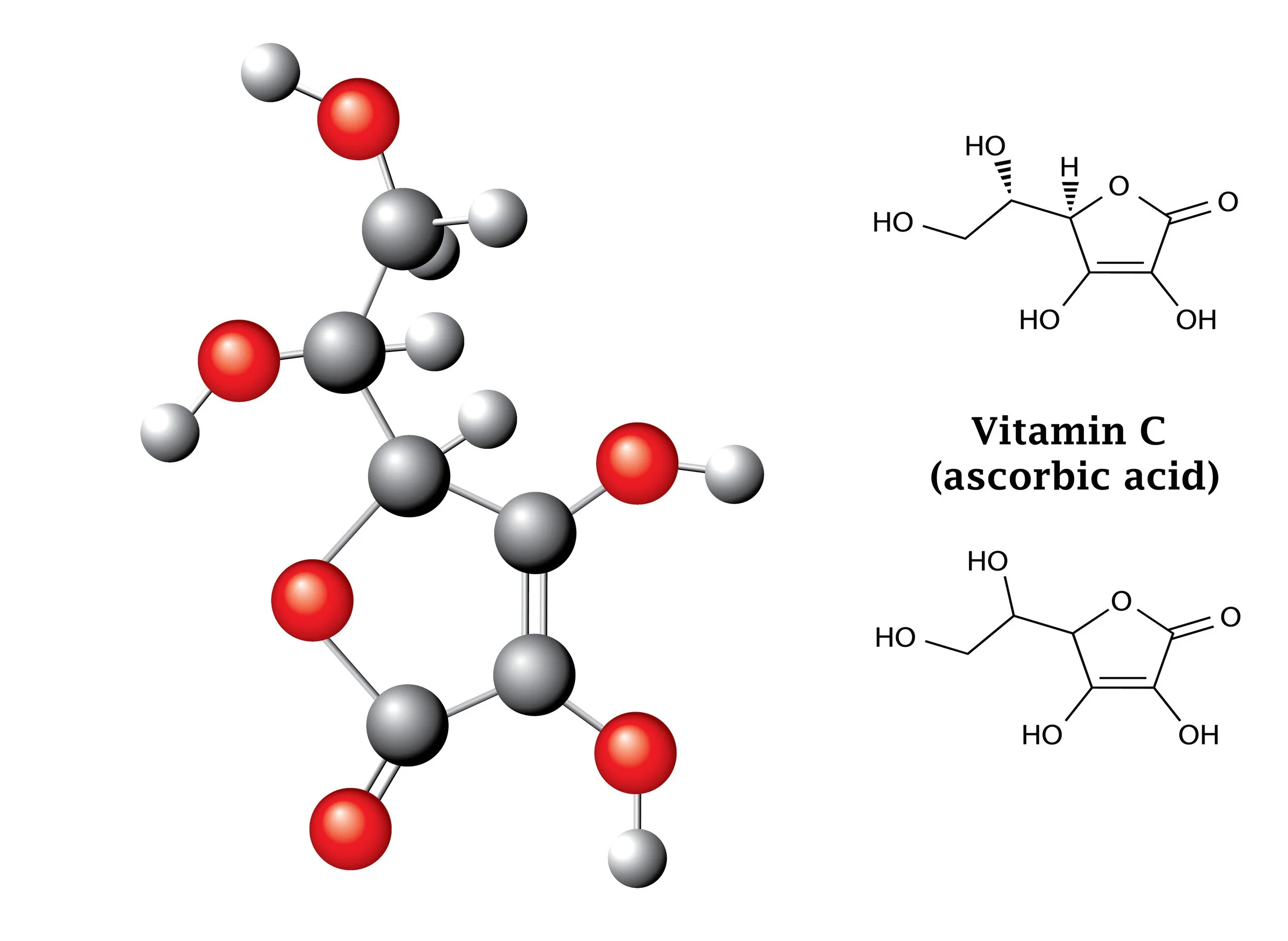
Structure affects Function
Structurally, vitamin C consists of a 5-carbon ring similar to glucose. In fact it is actually synthesized from glucose using an enzyme known as L‐glucono‐gamma lactone oxidase. Normal skin tends to have high concentrations of vitamin C. However, as the skin ages or is exposed to environmental toxins and an excess of UV light the levels of vitamin C tend to decrease drastically. This is indicative of its vital role as an antioxidant.
Antioxidant Action
When skin is exposed to UV light, it produces reactive oxygen species: unstable molecules like superoxide, peroxide, and singlet oxygen that can damage cells and accelerate visible aging. Vitamin C helps defend against this oxidative stress by donating electrons to neutralize these free radicals in a controlled, stepwise way.
Once Vitamin C has given away those electrons, its oxidized forms are relatively harmless. The skin can even recycle them back into active Vitamin C through an enzyme‑driven process that uses glutathione as a co‑factor. Because UV exposure rapidly depletes the skin’s Vitamin C reserves, maintaining adequate levels — topically or internally — supports the skin’s natural antioxidant defenses.
Induction of Collagen Synthesis
Beyond its antioxidant role, vitamin C is essential for collagen production. It serves as a co‑factor for the enzymes prolyl and lysyl hydroxylase, which stabilize and cross‑link collagen fibers. It also stimulates lipid peroxidation, which further upregulates collagen synthesis within the cellular environment. This dual action makes vitamin C indispensable for maintaining firm, resilient skin. Topical application has been shown to effectively stimulate collagen synthesis across all skin types.
Topical vs. Internal: Two Sides of the Same Coin
While vitamin C works both inside and out, each route supports the skin in a slightly different way. Topical application delivers concentrated ascorbic acid directly to the epidermis, where it can immediately support collagen production, brighten tone, and neutralize free radicals at the surface. Internal intake through food or supplements strengthens the body’s overall antioxidant network and fuels collagen synthesis systemically. When these approaches are used together, they create a complementary rhythm — topical vitamin C acting as a frontline shield, and internal vitamin C reinforcing the deeper cellular resilience that keeps skin strong over time.
Forms of Vitamin C: From Lab to Leaf
Look for these ingredients when choosing a vitamin C product:
Ascorbic Acid — Water‑soluble; low stability (requires pH < 3.5); used in high‑strength serums.
Magnesium Ascorbyl Phosphate (MAP) — Water‑soluble; moderate stability (around pH 6.5); ideal for gentle serums and toners.
Sodium Ascorbyl Phosphate (SAP) — Water‑soluble; moderate stability (around pH 7); used in leave‑on treatments for brightening and clarifying.
Tetrahexyldecyl Ascorbate (THD) — Oil‑soluble; highly stable; perfect for creams, facial oils, and lipid‑rich serums.
Botanical Powerhouses Rich in Vitamin C
Nature offers some of the most potent, bioavailable sources of vitamin C — each with its own energetic signature and formulation potential.
Acerola cherry, especially when unripe, delivers an impressive punch of up to 1,500 mg per 100 g. Its bright, tart profile makes it a beautiful choice for antioxidant tonics and powdered infusions.
Camu camu, the Amazonian river fruit, concentrates around 2,000 mg per 100 g. It blends seamlessly into smoothies or encapsulated supplements, offering a steady, whole‑plant boost.
Kakadu plum, a sacred Australian botanical, holds the global crown with an astonishing 5,300 mg per 100 g. Just a whisper of it can elevate hydrosols or micro‑dosed serums with unparalleled antioxidant strength.
Rosehip, in both oil and powdered form, offers a gentler spectrum — pairing naturally occurring vitamin C with barrier‑loving fatty acids for a bright, nourished glow.
And amla, the revered Indian gooseberry, brings about 600 mg per 100 g along with tannins and polyphenols. It’s ideal for decoctions, masks, and traditional herbal preparations that support both skin and systemic vitality.
Ritual Recommendations
Morning Ritual
Cleanse with a gentle, hydrating gel.
Apply an oil-soluble or water-soluble vitamin C serum or toner, depending on your skin’s sensitivity.
Follow with a lightweight moisturizer and broad-spectrum SPF.
Evening Ritual
Double cleanse to remove impurities.
Reapply your vitamin C derivative if targeting dark spots.
Lock in moisture with a nourishing facial oil rich in tocopherols (vitamin E).
Internal Ritual
Start your day with a green smoothie starring camu camu or acerola powder.
Sip hibiscus or rosehip tea in the afternoon for an antioxidant boost.
Consider a bioavailable vitamin C supplement (1,000 mg divided doses) with meals.
Safety Considerations
Topical vitamin C is generally very safe for daily, long‑term use and pairs well with other common actives like sunscreens, tretinoin, AHAs, and antioxidants. Most side effects are mild — things like temporary stinging, redness, dryness, or slight yellowing of skin or fabrics due to oxidation — and they’re usually eased with a moisturizer. More serious reactions are rare, and toxic doses are far beyond anything achievable in cosmetic use, giving vitamin C an excellent overall safety profile.
Closing Thoughts: Returning to Radiance
Vitamin C is one of those rare ingredients that bridges worlds. The clinical and the botanical, the internal and the topical, the scientific and the ritual. It protects, repairs, brightens, and strengthens, all while working in harmony with the body’s natural rhythms. Whether you’re blending a serum, sipping a camu camu smoothie, or steeping rosehips in your afternoon tea, you’re participating in a lineage of nourishment that supports the skin from every angle.
What I love most is that vitamin C isn’t just a “quick fix.” It’s a daily practice, a steady replenishment that honors how dynamic and responsive our skin truly is. When we pair internal nourishment with thoughtful topical care, we create an environment where the skin can do what it’s designed to do: regenerate, brighten, and glow with vitality.
Consider this your invitation to weave vitamin C into your rituals in a way that feels intuitive and sustainable. Small, consistent steps add up to visible transformation. Your skin will tell the story.


Read More!



Hello and welcome! I'm Eve, a Chemist turned Herbalist, sharing the wonders of plant medicine and botanical skincare. Join me on this journey to Learn, Create, and Align your Divine!