
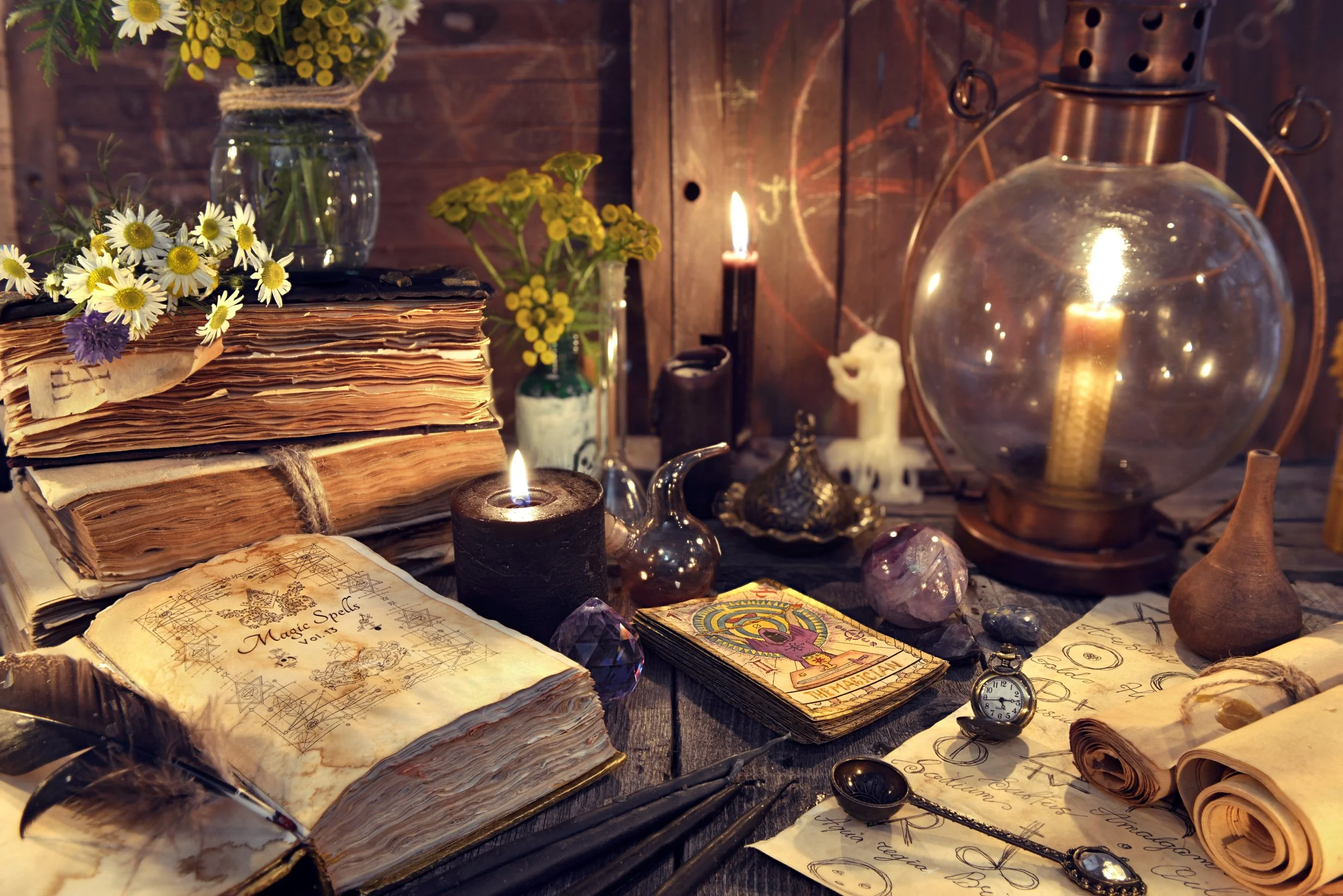
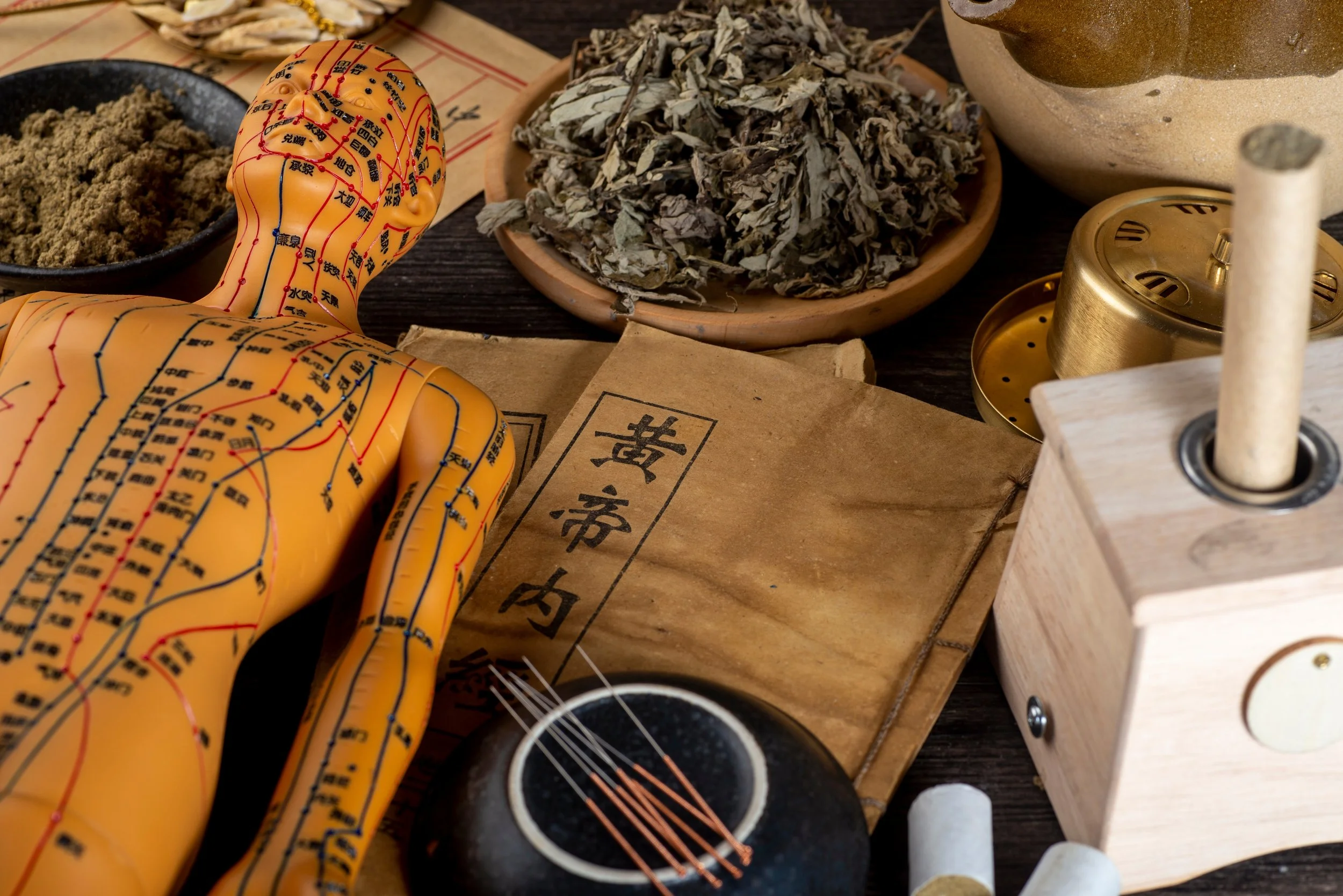
Alchemy and herbalism have roots in some of the oldest human cultures: long before written language, long before organized religion, long before “science” had a name. Even Neanderthals used plant medicine, with archaeologists finding bundles of yarrow, chamomile, and other medicinal plants placed intentionally in burial sites. This tells us something profound: humans have always turned to plants for healing, meaning, and connection.
Before modern science and medicine, knowledge was approached through a more mystical lens — one rooted in close observation, with nature at the center. People looked to plants and other natural elements to guide and transform their lives, trusting the wisdom held within the living world. When early thinkers began trying to replicate the astonishing phenomena they witnessed, they did so with a poetic curiosity that mirrored the beauty of nature itself. What had once been considered purely mystical slowly became a structured practice. Rather than accepting every occurrence as the will of the gods, humans sought to understand, replicate, and explore. This shift in thought laid the foundation for the earliest forms of scientific inquiry. Alchemy was born.
As civilizations grew, so did more organized approaches to studying the natural world. Early alchemical traditions — Egyptian, Greek, Arabic, and Chinese — all wove plants into their theories. To these early practitioners, plants were not inert materials; they were carriers of spirit, essence, and elemental balance. Their colors, shapes, scents, and behaviors were seen as signatures of their deeper nature.
Viewed through a modern lens, alchemy can seem outrageous, but when we set aside that assumption, the study becomes clearer. It wasn’t simply about turning lead into gold or seeking immortality. It was experimentation in order to understand transformation. It was an attempt at uncovering what seemed magical, the essence of what made things tick. At its core, alchemy was a study of energetics, expressed through metaphor and poetic experimentation.
Alchemists documented these qualities with a blend of observation and intuition. They mapped correspondences between plants and planets, seasons, humors, and elements. They believed that every plant held a unique energetic fingerprint: warming or cooling, drying or moistening, stimulating or soothing. And that these qualities could be concentrated, transformed, or liberated through specific processes.
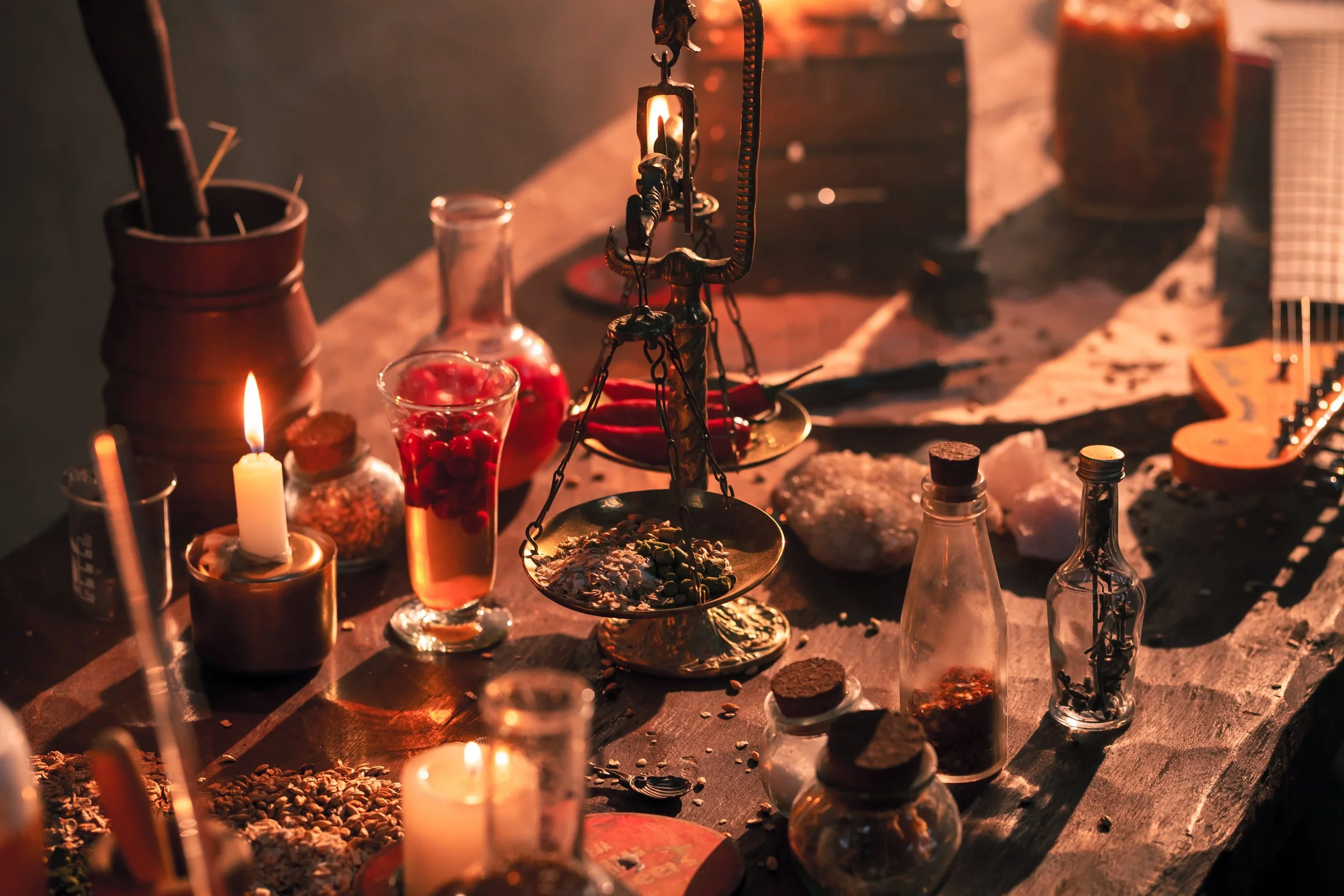
What’s striking is how many of their tools mirror what we still use today. Early distillation vessels, alembics, mortars, and fermentation jars were the prototypes of modern laboratory equipment. Their experiments, though wrapped in symbolic language, were proto‑scientific attempts to understand extraction, purification, and transformation.
Herbal distillates, tinctures, infused oils, and mineral salts were among the earliest standardized preparations. These practices laid the groundwork for what would eventually become pharmacognosy: the scientific study of medicinal plants. In many ways, alchemy was the first botanical laboratory — a place where spirit and substance were explored side by side.
I personally feel a deep connection to alchemy as a chemist, especially one who has spent years devoted to herbalism. The blend of plant energetics with the hard science of extraction and purification feels much like what early alchemists must have experienced as they explored the nuances of nature. When I first began working with plants, drawing out their medicine felt truly magical. Transforming flowers and leaves into essential oils and extracts was captivating, and I knew immediately that this was my path. I imagine the early alchemists felt a similar pull as they carved out their place in an emerging world of science. I will always feel most connected to the herbal branch of this lineage — the distillation, fermentation, and extraction that allow us to heal the body using the gifts of our planet.
Today, let’s explore the roots of this discipline and revisit some of the earliest alchemists who became the first herbal scientists.
Transition to Modern Botanical Science
As the world moved into the Enlightenment, the language of metaphor began to shift into the language of measurement. Curiosity didn’t disappear; it simply changed form. What early alchemists described as “essence” or “spirit,” chemists began to isolate as alkaloids, flavonoids, terpenes, and other active constituents.
This era marked the birth of chemistry as a discipline. Distillation became a method for isolating volatile compounds. Solvent extraction became a way to pull out specific phytochemicals. Fermentation was studied not as a mystical transformation but as a biochemical process driven by microorganisms.
Standardized extraction methods emerged, allowing herbal preparations to be replicated with consistency. This paved the way for evidence‑based herbalism — a practice grounded in measurable outcomes, clinical research, and safety data. Yet even as the language changed, the heart of the work remained the same: understanding how plants transform us, and how we can transform them.
Extraction & Concentration
Many of the processes used today are direct descendants of alchemical techniques:
Distillation → creation of essential oils and hydrosols
Fermentation → the use of herbal vinegars, probiotics, enzymatic transformations in extraction
Calcination → mineral‑rich plant salts used in spagyric preparations
Solvent extraction → the creation of tinctures, glycerites, CO₂ extracts, oil infusions
These methods take raw plant matter and transform it into something more concentrated, more potent, more bioavailable. This action is the very essence of alchemical practice.
Measuring Outcomes
Where alchemists relied on intuition and symbolism, modern science brings tools that allow us to quantify what they sensed:
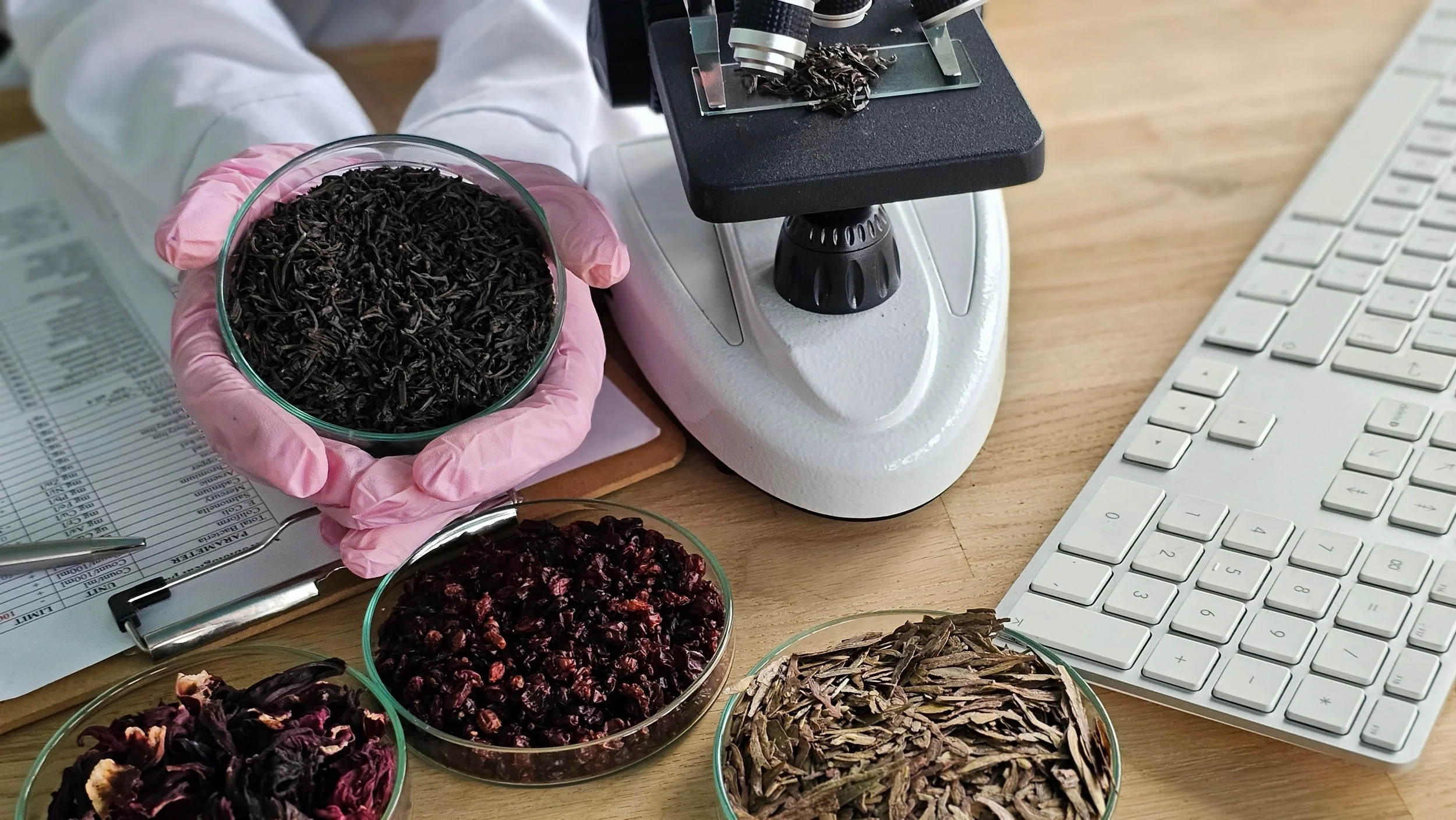
Chromatography (HPLC, GC‑MS) to identify and measure active constituents
Standardized percentages of compounds like curcumin, rosmarinic acid, or hypericin
Clinical trials that evaluate efficacy and safety
In vitro vs. in vivo research to understand the mechanisms of action of bioactive compounds
Dosage and safety data that guide responsible use
These tools don’t replace the energetic understanding they complement it.
Energetics Meets Evidence
One of the most beautiful bridges between alchemy and modern herbal science is the way traditional energetics often align with measurable biochemical actions.
Warming herbs (like ginger or cinnamon) increase circulation and metabolic activity.
Cooling herbs (like peppermint or violet) contain compounds that soothe inflammation.
Drying herbs (like sage or yarrow) have astringent tannins.
Moistening herbs (like marshmallow root) contain mucilage that hydrates tissues.
Nervines, adaptogens, lymphatics– all categories rooted in energetic observation. Each now have growing bodies of research that validate what herbalists have known for centuries.
Returning to the Roots of Transformation
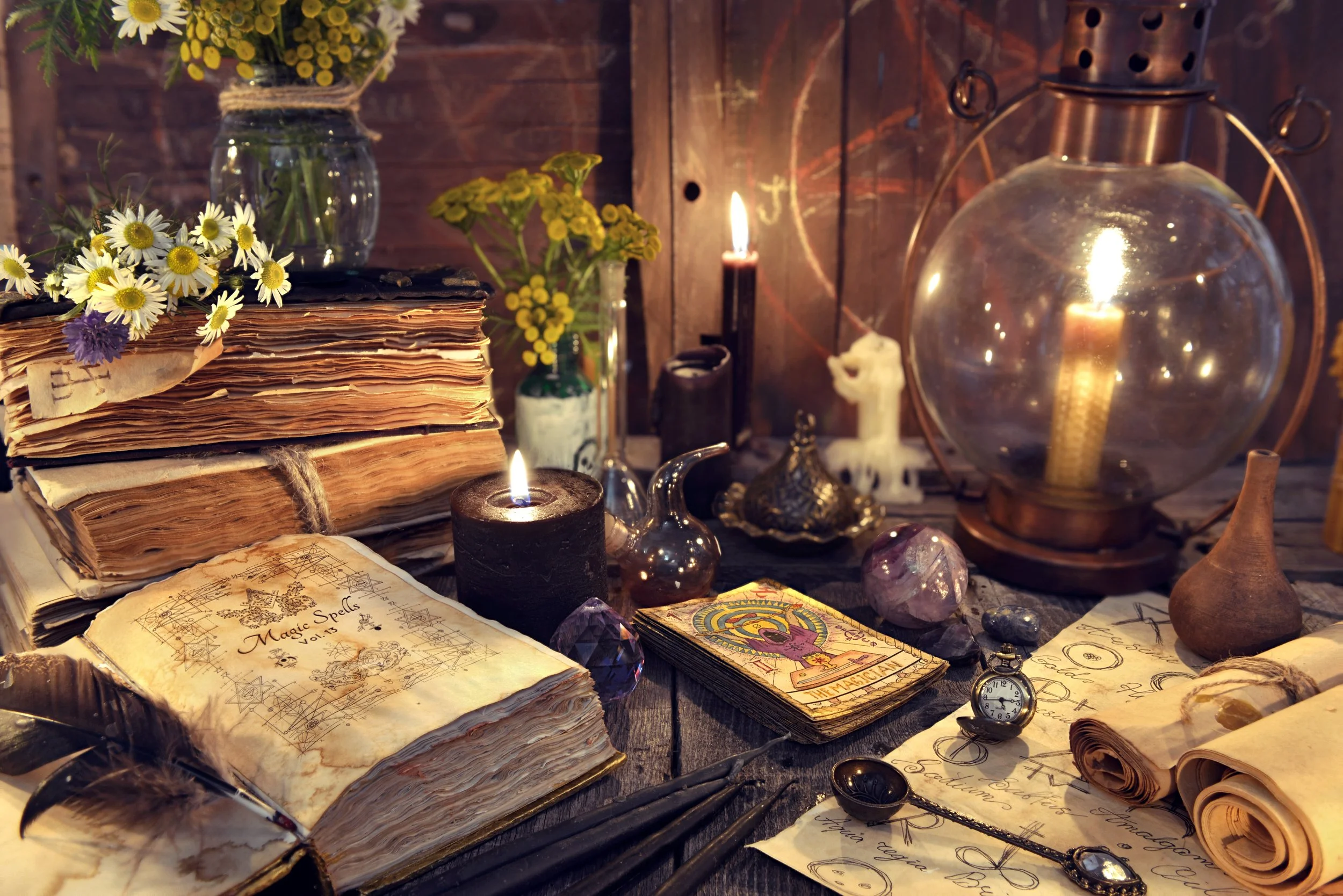
Botanical medicine has always been a dance between spirit and science. Between what we can measure and what we can feel. Between the poetic and the precise.
Alchemy reminds us that transformation is both a physical process and a metaphor for inner change. Herbal science reminds us that plants are complex chemical systems with measurable effects on the body. Together, they offer a fuller picture. One that honors both the mystery and the mechanism.
As you explore your own relationship with plants, I invite you to see your self‑care as a form of alchemy. Every infusion, every tincture, every moment spent tending to your body or your environment is an act of transformation. A way of participating in the ancient lineage of humans who looked to the natural world for wisdom, healing, and connection.
May your curiosity stay alive.
May your reverence stay intact.
And may your work in the lab, in the garden, and in your daily rituals, continue to bridge the worlds of spirit and science.


Read More!

Hello and welcome! I'm Eve, a Chemist turned Herbalist, sharing the wonders of plant medicine and botanical skincare. Join me on this journey to Learn, Create, and Align your Divine!