
Wild Cherry Bark: The Respiratory Ally
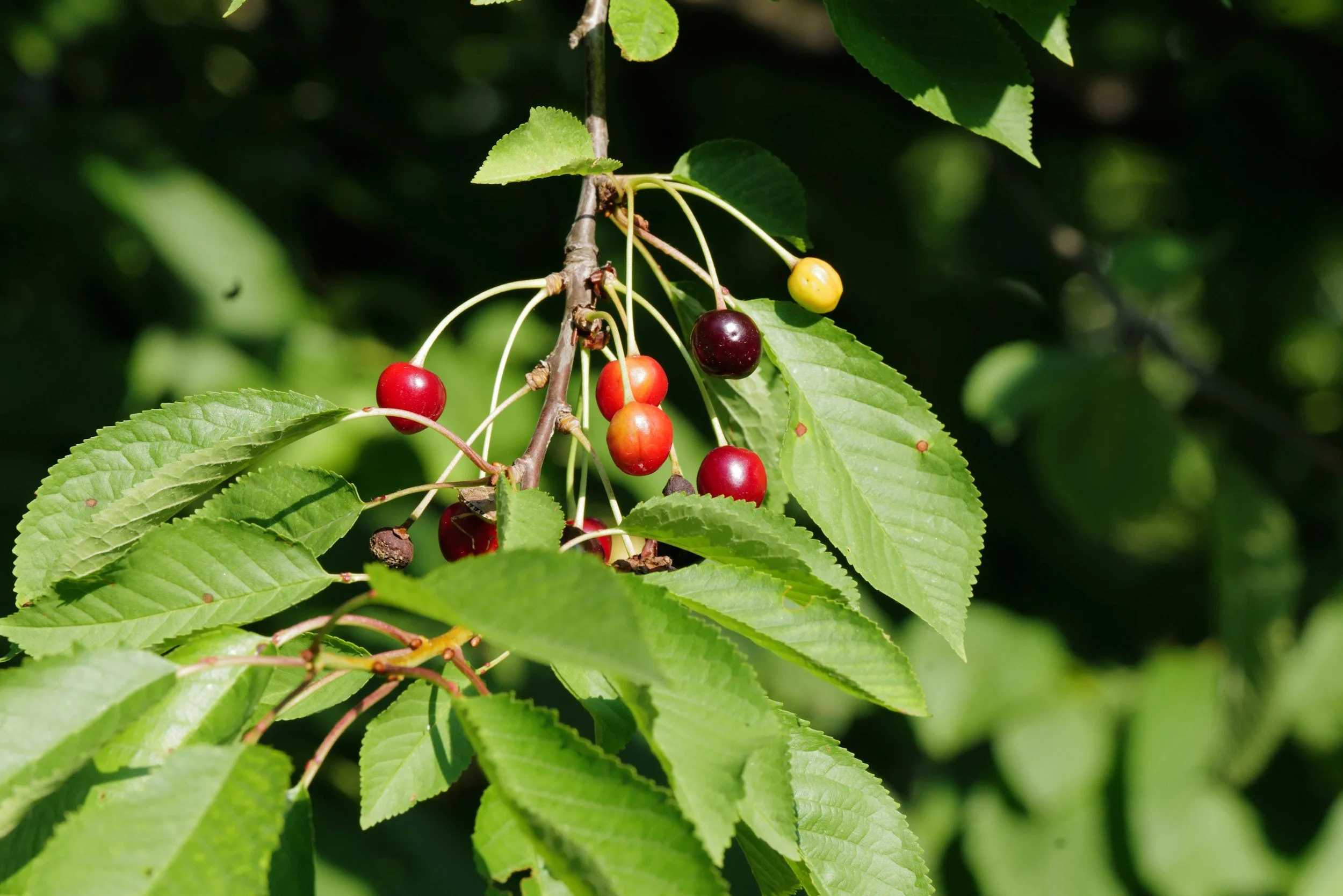
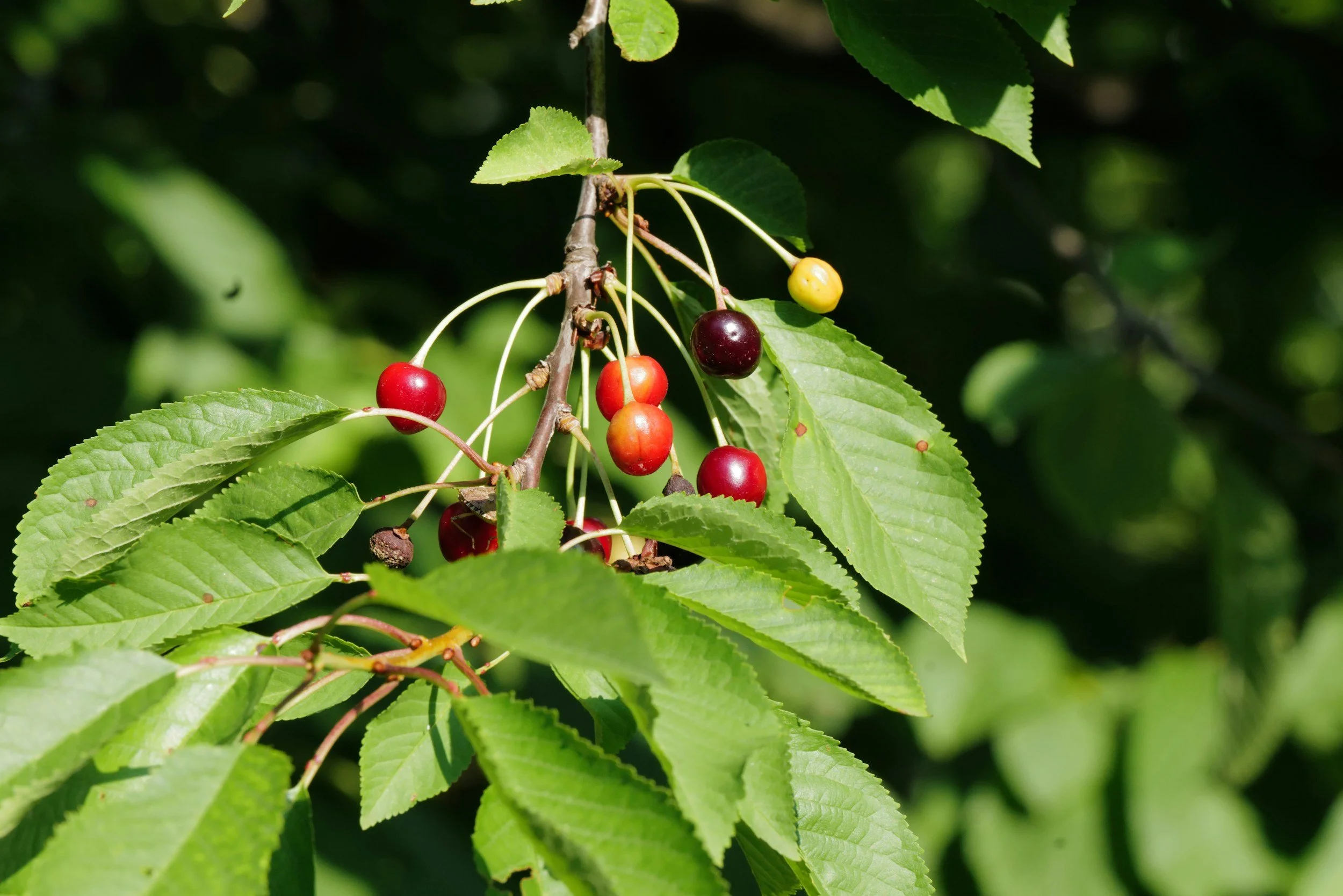
Prunus serotina, commonly known as wild cherry, is a perennial tree that holds a prominent place in Western herbal medicine. Its smooth reddish-brown bark and delicate white blossoms are more than just a tree, they represent a plant rich in antibacterial, anti-inflammatory, antioxidant, and antitussive actions. Used both internally and topically, wild cherry supports the respiratory system, calms spasms, and offers relief for dry coughs. Its versatility makes it a vital ally in treating colds, flu, and inflammatory conditions.
Cultural and Historical Significance
Folklore and Traditions
Wild cherry bark has long been valued by Indigenous peoples of North America, who used it for coughs, fevers, and digestive complaints. Symbolically, the cherry tree embodies resilience and renewal. Its transformation from fragrant blossoms to nourishing fruit mirrors cycles of healing and rebirth. Herbal traditions often regard the cherry tree as an archetype of the “Respiratory Guardian,” protecting the lungs and soothing irritation.
Historical Figures
Early American physicians and herbalists documented wild cherry bark in materia medica texts, praising its tonic effects on the respiratory tract. By the 19th century, it was a staple in cough syrups and bitters, often combined with other expectorant herbs. Its inclusion in the U.S. Pharmacopoeia cemented its role in formal herbal practice.
Plant Anatomy, Cultivation and Harvesting
Botanical Description
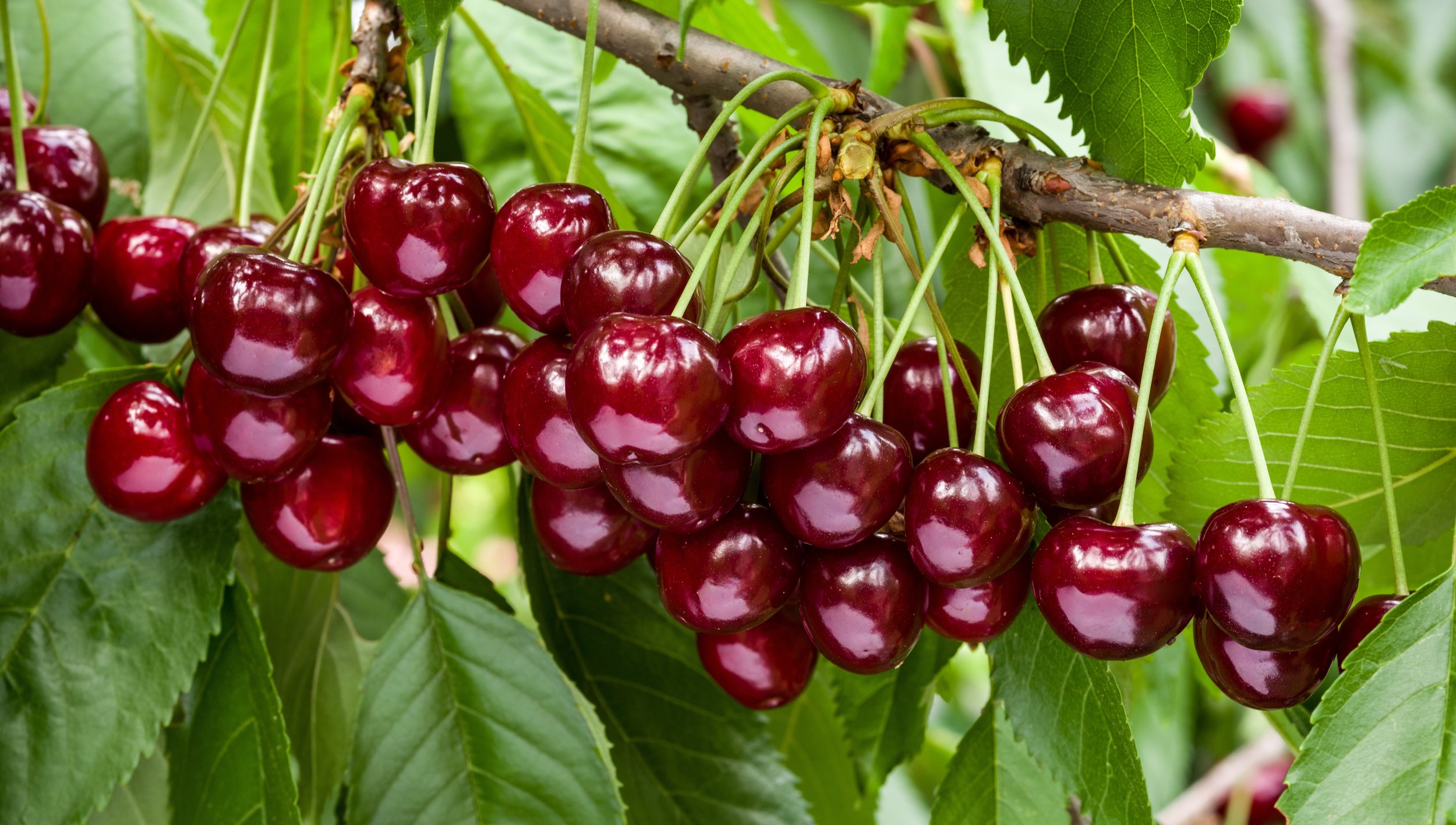
Wild cherry trees can reach 50–100 feet in height and 2–5 feet in diameter. Their smooth bark is reddish-brown with elongated white lenticels. In late spring, clusters of small, lightly scented white flowers bloom, later transforming into the familiar cherries of summer. Belonging to the Rosaceae family, the tree’s inner bark is the most medicinally potent part.
Growing Conditions
Climate: Native to eastern and central North America; thrives at forest edges.
Soil: Prefers well-drained soils.
Sun/Water: Grows best in full or partial sun with moderate moisture.
Pests/Disease: Susceptible to tent caterpillars and fungal blights; ecological balance is key.
Varieties
Prunus serotina (Black Cherry): Most commonly used for medicinal bark.
Prunus virginiana (Chokecherry): Traditionally used by Indigenous communities, though less common today.
Harvesting Tips
Aerial Parts: Flowers and fruit are harvested in summer.
Bark: Collect in autumn from young stems, removing the rough outer bark to access the softer inner bark.
Preparation & Storage: Dry thoroughly, store in airtight containers, and use within one year for best potency.
Organoleptic Qualities
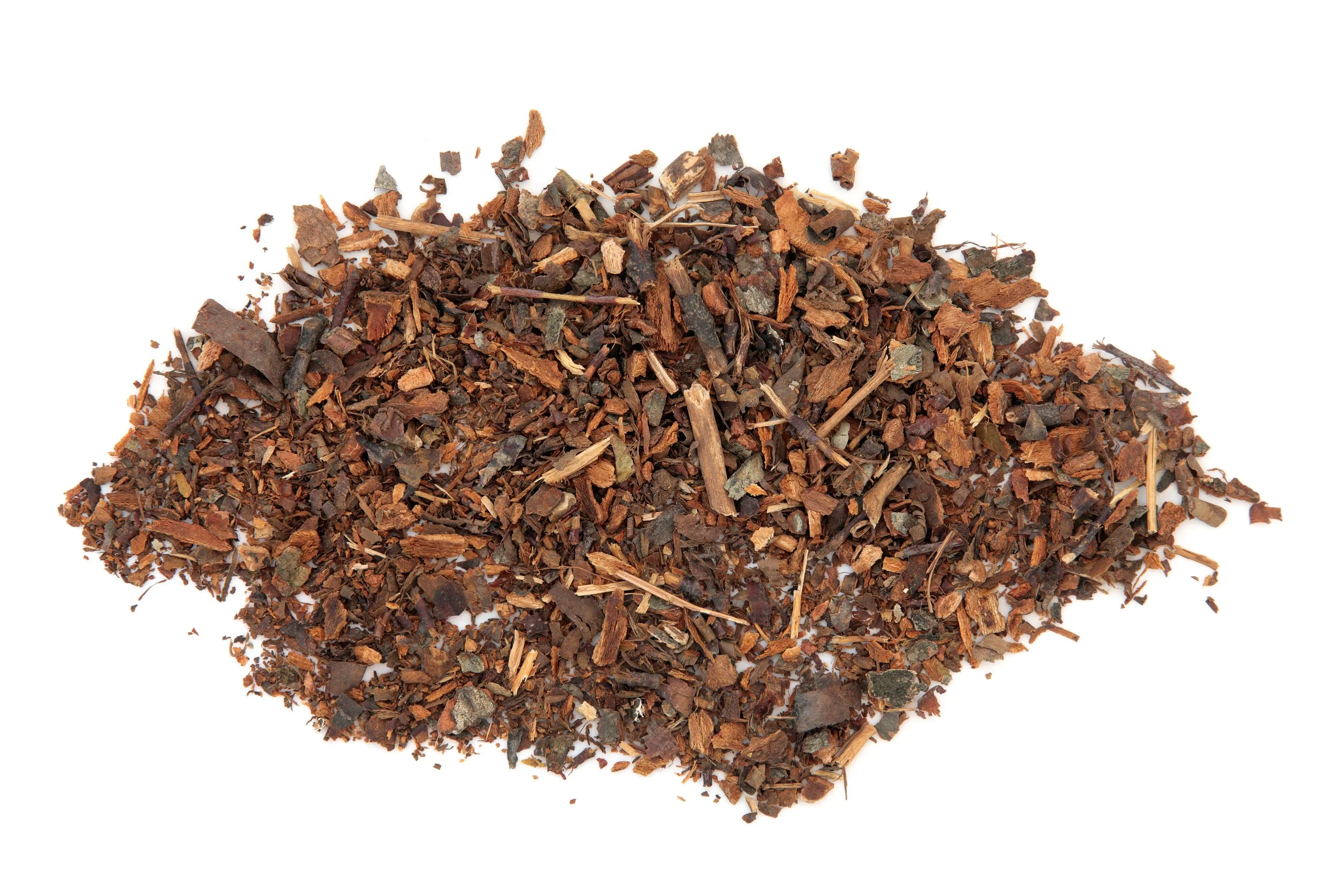
Color: Dark brown externally; reddish-brown internally
Scent: Woodsy, aromatic
Taste: Bitter, astringent, woodsy
Quality: Cooling, drying, and tonifying
Health Benefits and Therapeutic Applications
Immune Support & Infection Recovery: Traditionally used in cold and flu remedies; pairs well with elderberry and echinacea.
Anti-Inflammatory & Skin Healing: Bark preparations soothe inflamed tissues and can be applied topically for minor irritations.
Respiratory Relief: A powerful antitussive, wild cherry bark calms dry, spasmodic coughs and supports expectoration.
Cardiovascular & Metabolic Support: Emerging research suggests antioxidant compounds may play a role in protecting vascular health.
Wild cherry bark’s holistic value lies in its ability to calm, cool, and restore balance to the body.
Phytochemistry and Mechanism of Action
Cyanogenic Glycosides (Prunasin, Prunase): Release small amounts of hydrocyanic acid, calming the cough reflex.
Tannins: Provide astringent and anti-inflammatory effects.
Vitamin C & Organic Acids: Support immune resilience and antioxidant activity.
Ferment Emulsin & Sugars: Contribute to metabolic and digestive support.
Together, these compounds create a synergistic effect that soothes irritation, reduces inflammation, and strengthens the body’s defenses.
Formulations and Recipes
Tea: Steep 1–2 tsp dried bark in 1 cup hot water for 10–15 minutes. Use up to 3 times daily for cough relief.
Tincture: Ratio 1:5 bark to alcohol/vinegar. Macerate for 2–4 weeks, strain, and bottle. Dosage: 20–40 drops as needed.
Topical Salve: Infuse bark in oil, combine with beeswax, and apply to inflamed skin or minor wounds.
Alcohol-Free Options:
Glycerite: Macerate bark in vegetable glycerin for a gentle cough remedy.
Vinegar Infusion: Steep bark in apple cider vinegar for a bitter tonic.
Cautions and Contraindications
General Safety: Safe for short-term use when properly prepared.
Pregnancy & Breastfeeding: Avoid use; cyanogenic glycosides may pose risks.
Long-Term Use: Not recommended; best reserved for acute relief.
Drug Interactions: May slow liver metabolism of certain medications. Always consult a practitioner prior to starting use.
Allergic Reactions: Rare, but possible in those sensitive to Rosaceae family plants.
Conclusion
Wild cherry bark is a time-honored remedy for coughs, colds, and respiratory irritation. With its cooling, astringent qualities and rich phytochemistry, it remains a cornerstone of herbal medicine. Whether prepared as a tincture, tea, or vinegar infusion, wild cherry bark offers accessible, effective relief—an essential ally for your home apothecary.
References
Sisodia, R., Singh, S., Mundotiya, C., Meghnani, E., & Srivastava, P. (2011). Radioprotection of Swiss albino mice by Prunus avium with special reference to hematopoietic system. Journal of environmental pathology, toxicology and oncology : official organ of the International Society for Environmental Toxicology and Cancer, 30(1), 55–70. https://doi.org/10.1615/jenvironpatholtoxicoloncol.v30.i1.60
Yamaguchi, K., Liggett, J. L., Kim, N. C., & Baek, S. J. (2006). Anti-proliferative effect of horehound leaf and wild cherry bark extracts on human colorectal cancer cells. Oncology reports, 15(1), 275–281. https://pubmed.ncbi.nlm.nih.gov/16328068/
Telichowska, A., Kobus-Cisowska, J., & Szulc, P. (2020). Phytopharmacological Possibilities of Bird Cherry Prunus padus L. and Prunus serotina L. Species and Their Bioactive Phytochemicals. Nutrients, 12(7), 1966. https://doi.org/10.3390/nu12071966


Read More!




Hello and welcome! I'm Eve, a Chemist turned Herbalist, sharing the wonders of plant medicine and botanical skincare. Join me on this journey to Learn, Create, and Align your Divine!