
Skill: Expand Complex Cosmetic Formulation Techniques
This recipe is a gateway to advanced natural skincare. It teaches you the delicate balance of actives, nourishing butters, and herbal-infused oils while introducing the art of essential oil customization. Build on this foundation to explore endless variations in your herbal recipe book!
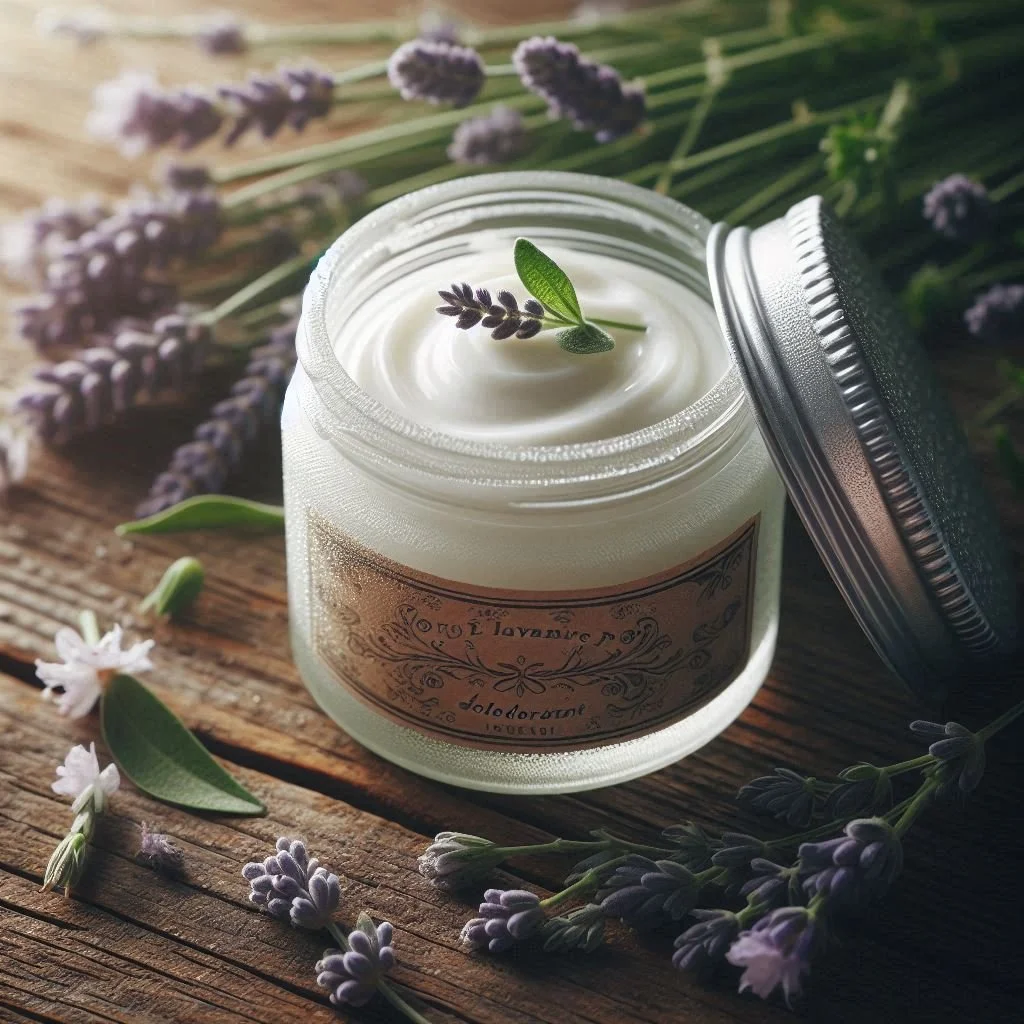
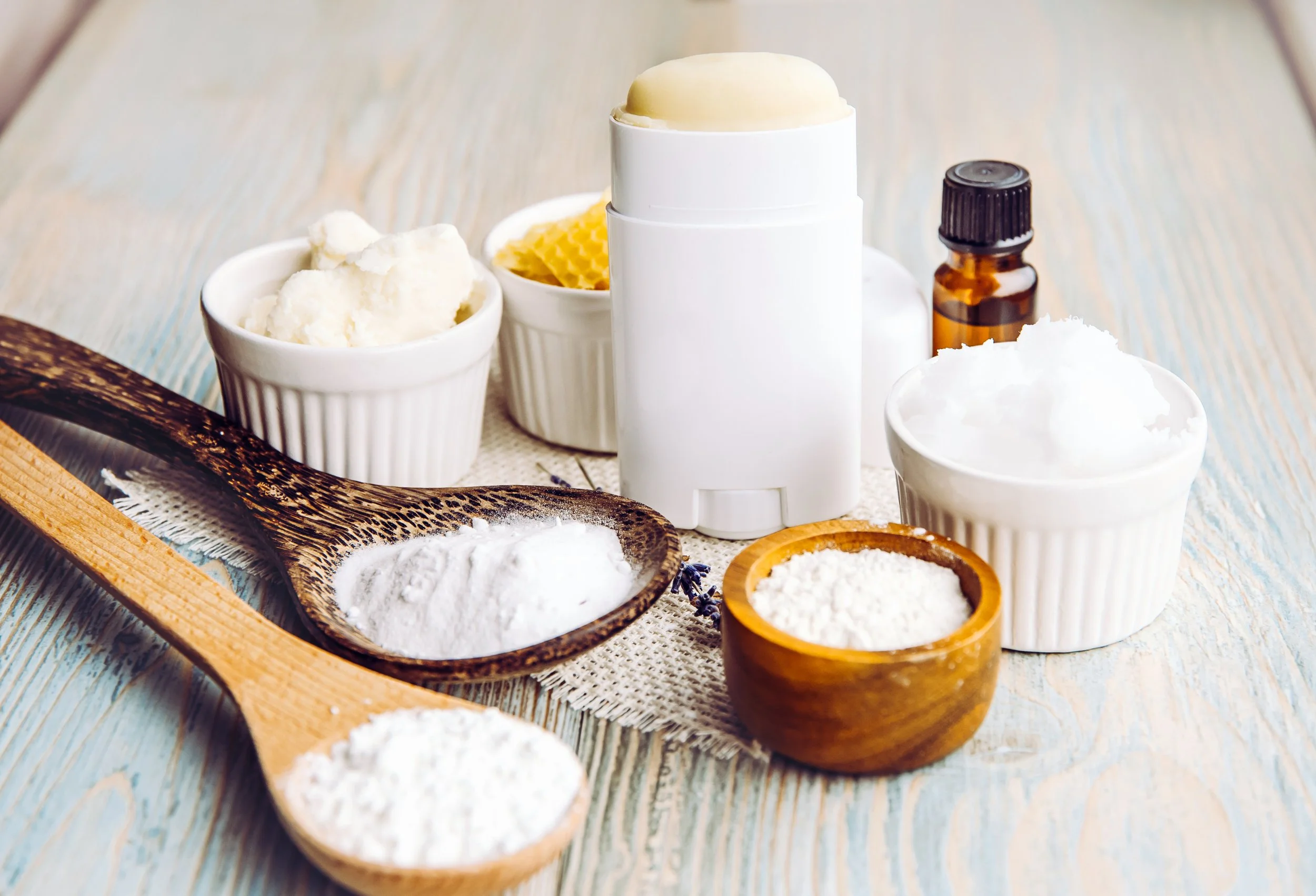
Today I have an amazing recipe to add to your herbal arsenal… Discover a gentle, non-toxic alternative to conventional deodorants with this Simple and Natural Deodorant. This homemade deodorant recipe uses nutrient-rich botanical ingredients and beneficial essential oils to provide natural odor control while soothing sensitive skin. Whether you’re a seasoned herbal formulator or just stepping into DIY skincare, this recipe builds on your cosmetic skills and offers endless customization possibilities.
Ingredients
For a 4 oz (118 g) batch, use these precise measurements. Conversions are provided in cups, tablespoons, and teaspoons for convenience when a scale isn’t available.
15% Baking Soda–17.7 grams (2 tablespoons)
12.5% Arrowroot Power–14.75 grams (1 tablespoon & 2 teaspoons)
20% Mango Butter–23.6 grams (1 ½ tablespoons)
20% Shea Butter–23.6 grams (1 ½ tablespoons)
7% Beeswax–8.26 grams (2 teaspoons)
15% Olive Oil–17.7 grams (1 tablespoon & 2 teaspoons)
10% Coconut Oil–11.8 grams (2 ½ teaspoons)
0.5% Vitamin E–0.59 grams (4-6 drops or one capsule)
*Pro tip: If you’re measuring beeswax, consider using grated pellets for better accuracy, and if you’re using a vitamin E capsule, simply pierce the shell and squeeze out the oil.
Note: Although using a precise scale is ideal, these conversions make it easier for you to create your deodorant using common household measuring tools.
Herbal Infusion Ideas for Olive Oil
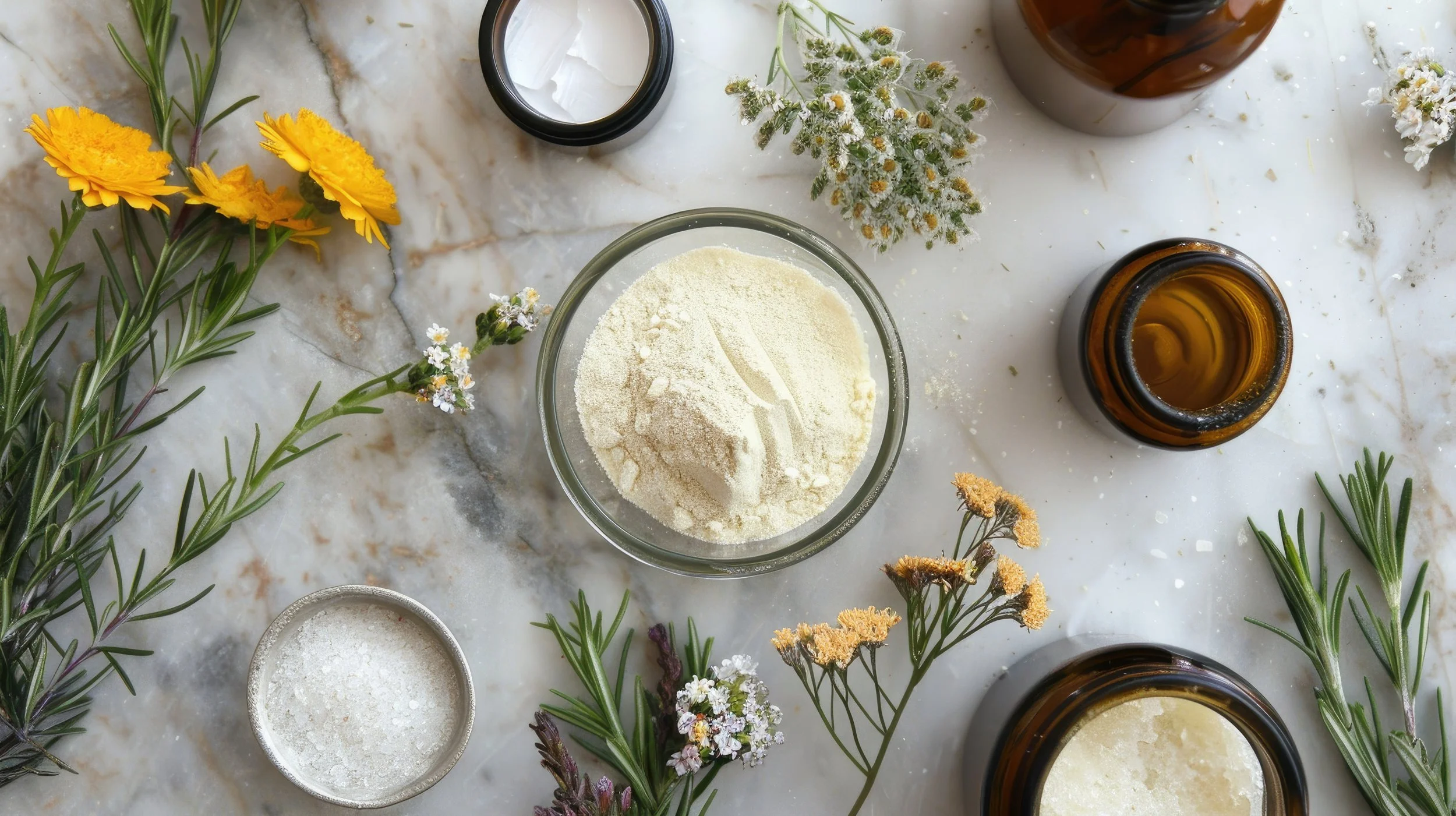
Enhance your olive oil’s benefits with a custom herbal infusion. Choose one of the following blends to add antifungal, antiseptic, and nourishing properties to your deodorant:
1. Antiseptic & Odor-Control Blend
Thyme – Strong antimicrobial and deodorizing properties.
Lavender – Soothing, antiseptic, and calming for sensitive skin.
Calendula – Gentle yet effective for skin healing and irritation prevention.
2. Anti-Fungal & Protective Blend
Neem Leaf – Potent antifungal and antibacterial properties.
Tea Tree – Powerful antimicrobial with soothing benefits.
Lavender – Mild antiseptic and skin-calming.
3. Skin-Nourishing & Balancing Blend
Chamomile – Anti-inflammatory and soothing for irritation.
Rosemary – Stimulates circulation and has mild antibacterial effects.
Plantain Leaf – Helps with skin repair and hydration.
4. Cooling & Refreshing Blend
Peppermint – Cooling and antimicrobial.
Eucalyptus – Invigorating and antibacterial.
Lemon Balm – Gentle yet effective for skin protection.
Essential Oil Blends
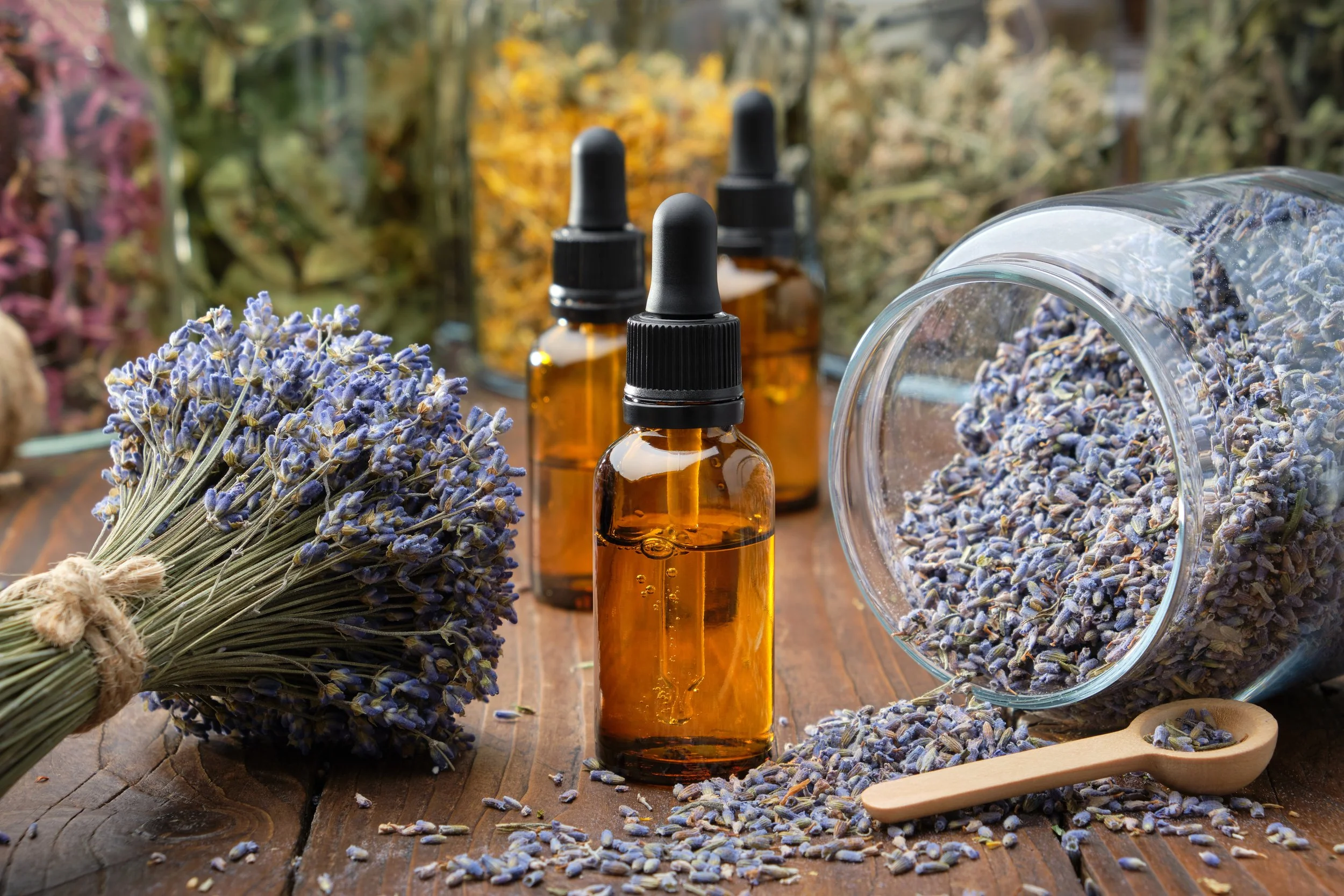
Another amazing thing about making your own deodorant at home is that you can customize the scent to whatever you like! I recommend keeping the total essential oil content to around 0.5% to ensure that the formula is not irritating. Feel free to add more or less depending on your preference but remember to adjust slowly as you can easily overdo it when working with essential oils–they are intense!
At 0.5% (18 drops) total essential oil, here are some blends tailored to different preferences:
Citrus Freshness
Uplifting and energizing; ensure furocoumarin-free oils are used to avoid photosensitivity.
Sweet Orange – 5 drops
Grapefruit – 5 drops
Lemon – 4 drop
Herbal Clean
Calming and antibacterial for extra odor control.
Lavender – 10 drops
Tea Tree – 8 drops
Floral Luxury
Elegant and nurturing for sensitive skin.
Geranium – 10 drops
Rose – 8 drops
Grounding Warmth
Earthy and grounding with a subtle sweet note.
Patchouli – 7 drops
Cedarwood – 6 drops
Ylang Ylang – 5 drops
Minty Refresh
Cooling and invigorating, with antimicrobial properties.
Peppermint – 6 drops
Rosemary – 7 drops
Eucalyptus – 5 drops
*Pro-Tip: Blend your essential oils first to ensure an even distribution before adding them to your deodorant. This also allows you to create the perfect blend without risking your entire formulation.
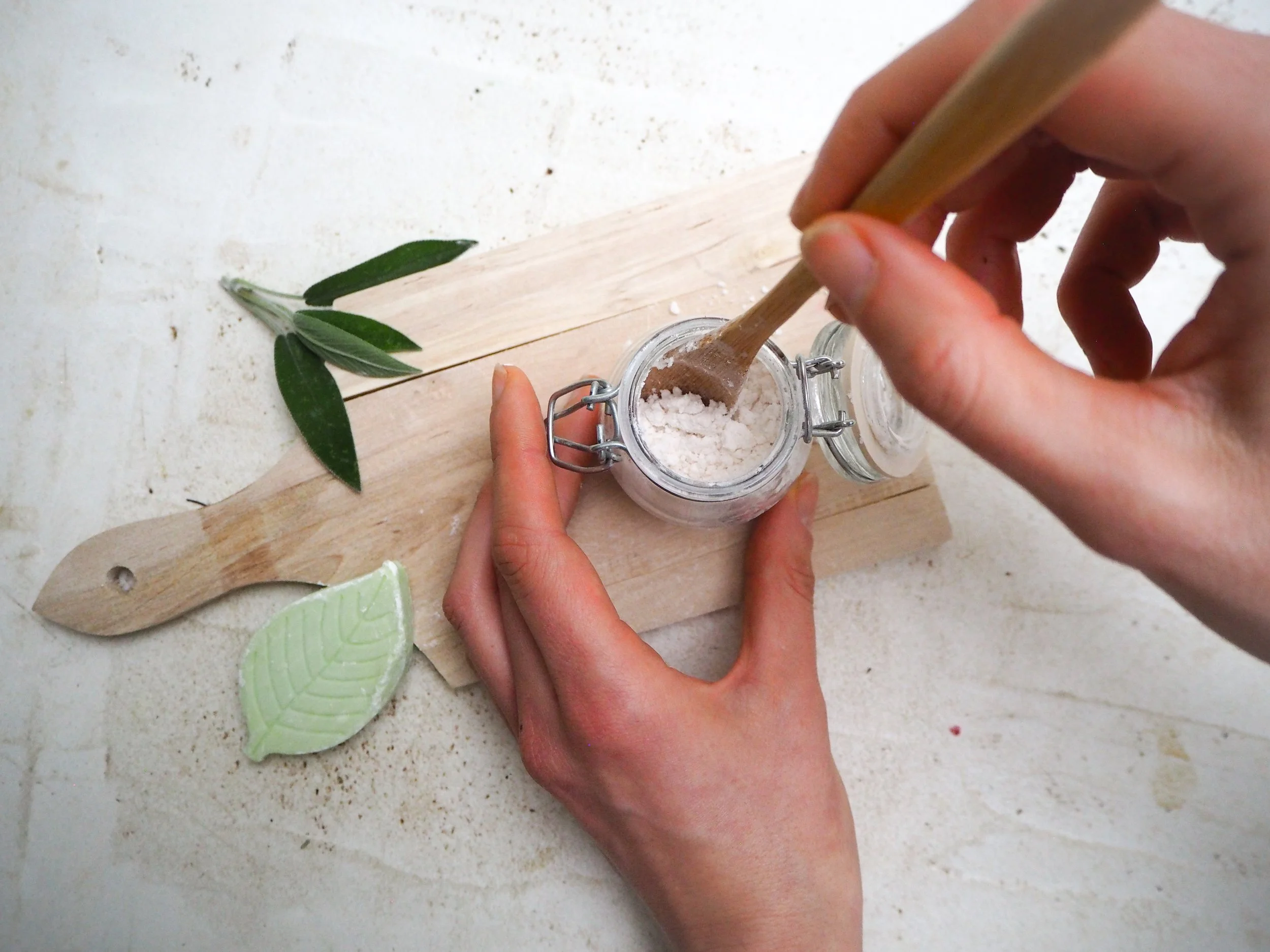
Procedure
Prepare Your Workstation: Gather all your ingredients and clean your work area. Refer to the Herbal Oil and Butter Infusions guide for additional tips on preparing your herbal-infused olive oil.
Melt the Butters & Beeswax: In a heat-safe bowl or beaker, combine mango butter, shea butter, beeswax, and both the olive and coconut oils (excluding essential oils). Using a double boiler, gently heat the mixture until fully melted.
Mix in Vitamin E: Remove the bowl from heat, and stir in the vitamin E until fully incorporated.
Combine Dry Ingredients: In a separate bowl, sift together the baking soda and arrowroot powder to break up any clumps. This ensures a smooth, uniform texture.
Integrate the Powders: Slowly add the sifted powders into your hot liquid mixture. Stir continuously between additions to maintain an even consistency.
Add Essential Oils: With the mixture still liquid, drop in your chosen essential oil blend slowly until you achieve the desired scent intensity.
Set & Cool: Pour the finished mixture into a clean, dry container. Allow it to cool and set completely before use.
Formula Analysis and Optional Adjustments
Odor Control & Gentleness: The combination of baking soda (15%) with arrowroot powder (12.5%) neutralizes odor effectively while remaining gentle. Arrowroot also aids in moisture absorption without irritation.
Texture & Consistency: Mango butter, shea butter, beeswax, and coconut oil work together to create a firm yet creamy texture. Beeswax (7%) provides stability, especially in warm conditions, while the butters soothe and nourish the skin.
Nourishment: Olive oil and coconut oil deliver hydrating and antimicrobial benefits. Vitamin E not only enhances the formula’s antioxidant properties but also supports a longer shelf life.
Shelf Stability: Beeswax and vitamin E help maintain product integrity, protecting against premature oil rancidity.
Customization:
For a firmer deodorant: Increase beeswax by 1–2%.
For a softer consistency: Decrease beeswax slightly and increase coconut oil.
Final Thoughts
This natural deodorant is a fantastic addition to your DIY herbal skincare repertoire. Create a formulation that’s perfectly tailored to your needs and enjoy the freedom of a non-toxic, customizable product. Experiment with herbal infusions and essential oil blends to find your signature scent, and share your experiences with this eco-friendly alternative!
If you’re passionate about natural cosmetics or new to DIY formulations, comment below with your thoughts or any twist you’ve tried. Your journey into crafting personalized skincare is bound to inspire others!