
Coconut Milk Bath Bomb Scented for Spring
Skill: Explore Complex Cosmetic Formulations
This recipe is a perfect segue into more complex formulations. It teaches the art of balancing ingredients that work together in a delicate ratio. Too much of any ingredient, and the recipe won't turn out as desired. Build upon this recipe to create any number of bath bomb varieties. We will explore the purpose of each component so you not only receive a divine recipe but also build upon your cosmetic formulation skills!
The Ritual of Bathing
One thing that has become a staple in my self-care practice is the ritual of taking baths. And when I say ritual, I mean it! I intentionally approach the act of bathing and make it a sensory experience. I use the time to reflect, decompress, and heal—not just my tired and sore muscles but also my mind. If you aren't ritualizing your bathing time, what are you doing!?
What better way to complement this self-care practice than with a handcrafted bath bomb! This recipe is not just any bath bomb, but one infused with luxurious coconut milk and scented with jasmine and honeysuckle. To enhance the experience even more, I've colored the bath bomb with dragonfruit powder to make it the most beautiful pink. The scent is inspired by the coming spring. So without further ado, let's get into it!
Ingredient Breakdown
To understand the magic behind bath bombs, let's first explore their key components. Each ingredient plays a unique role, from creating the fizzy reaction to providing therapeutic benefits and enhancing the bathing experience. A typical bath bomb includes baking soda and citric acid for the fizzing reaction, a starch for texture and binding, a salt for therapeutic benefits, and oil and water to help bind the mixture together and harden it. In this section, we'll break down the purpose and benefits of each component, ensuring you have a comprehensive understanding of how they come together to create a delightful bath bomb. Let's dive in!
A Dance of Acid Base Bubbles
At the root of these fizzy creations is a chemical reaction that truly feels magical. The act of using one of these bath bombs is an ode to the acid-base reaction you may have learned about in chemistry class! The balance of electron exchange creates the distinct fizzing you see once the bomb is added to the water. When a bath bomb reacts with water, carbon dioxide gas (CO₂) is released. This reaction occurs due to the interaction between the citric acid and baking soda (sodium bicarbonate) in the bath bomb. The carbon dioxide gas creates the fizzing effect that bath bombs are known for, making your bath a delightful and effervescent experience.
Starch to Soften and Structure
Starch helps create the body of the bath bomb. In this recipe, I use coconut milk powder to create a super hydrating and divinely scented bath. Cornstarch is a great alternative if you don't have coconut milk powder on hand. It is used in bath bombs to add bulk and help bind the ingredients together, creating a cohesive mixture. It also provides several benefits to the final product:
Softening the Skin: Cornstarch and coconut milk powder are known for their skin-softening properties, leaving the skin feeling silky and smooth after a bath.
Texture Improvement: It helps improve the texture of the bath bomb, making it less crumbly and easier to mold.
Control of Fizzing Reaction: Starches also can help moderate the fizzing reaction, ensuring that the bath bomb dissolves more slowly and evenly in the water, allowing you to enjoy the effects for a longer period.
Salt for Bonus Therapeutics
Salts are added to bath bombs for their therapeutic benefits and their role in enhancing the bathing experience. Different types of salts can be used, each offering unique properties and benefits. Here are some options:
Epsom Salts (Magnesium Sulfate):
Muscle Relaxation: Epsom salts are well-known for their ability to soothe sore muscles and relieve tension, making them ideal for a relaxing bath.
Detoxification: They help draw out toxins from the body and promote overall detoxification.
Skin Health: Epsom salts can soften the skin and help exfoliate dead skin cells, leaving the skin feeling refreshed and rejuvenated.
Improved Circulation: Soaking in a bath with Epsom salts can improve circulation, promoting better blood flow and reducing inflammation.
Mineral-Rich Salts (e.g., Himalayan Pink Salt):
Mineral Nourishment: Himalayan pink salt is rich in minerals like magnesium, calcium, and potassium, which nourish the skin and support overall health.
Detoxification: The minerals in Himalayan pink salt can help draw out impurities from the skin, promoting detoxification.
Skin Softening: These salts can soften and hydrate the skin, leaving it feeling smooth and supple.
Aromatherapy: The natural minerals and trace elements in these salts can provide a calming and therapeutic bathing experience.
Basic Table Salt (Sodium Chloride):
Cleansing: Table salt can help cleanse the skin by removing dirt and impurities.
Improved Hydration: Soaking in a salt bath can help improve skin hydration by drawing moisture to the skin's surface.
Accessibility: Table salt is readily available and can be used as a budget-friendly option for bath bombs.
Each type of salt offers its own set of benefits, allowing you to customize your bath bombs based on your needs and preferences. Whether you're looking for muscle relaxation, skin nourishment, or simple cleansing, adding salt to your bath bombs enhances the overall experience and provides therapeutic benefits.
Binding with Oil and Water
In the process of making bath bombs, oil and water play crucial roles in binding the ingredients together and ensuring the final product maintains its shape and integrity. The interaction between these two liquids is key to achieving the perfect bath bomb texture.
Oil: The addition of a carrier oil, such as coconut oil or sweet almond oil, not only provides moisture and nourishment to the skin but also acts as a binding agent. The oil helps to coat the dry ingredients, making it easier to blend them into a cohesive mixture. This results in a smooth, pliable texture that can be easily molded into the desired shape. By adding oil before the water you also help protect the baking soda and citric acid from reacting with the water too much.
Water: The small amount of water added to the mixture serves a dual purpose. Initially, the water helps to activate the citric acid and baking soda reaction, creating a slight fizzing effect. This early activation helps the ingredients adhere to one another. As the bath bomb dries, the water evaporates, causing the mixture to harden and solidify. This evaporation process is essential for maintaining the bath bomb's structure and preventing it from crumbling.
By carefully balancing the proportions of oil and water, you can create bath bombs that are both effective and visually appealing. The resulting product will dissolve beautifully in the bath, releasing its delightful fragrance and therapeutic properties.
Recipe for Coconut Milk Bath Bomb with a Spring Blossom Scent
Now let's get into the recipe!
Ingredients:
1 cup Baking Soda
1/2 cup Citric Acid
1/2 cup Coconut Milk Powder
1/4 cup Salt of choice, I like to use Himalayan Pink Salt to add some beneficial minerals
2 1/2 tablespoons your favorite Carrier Oil
Spray bottle of Water
10-15 drops of Jasmine Essential Oil
10-15 drops of Honeysuckle Oil
1 tablespoon of Dragon Fruit Powder (optional, for pink coloring)
Witch Hazel, or more water if you don't have this on hand (in a spray bottle)
Procedure:
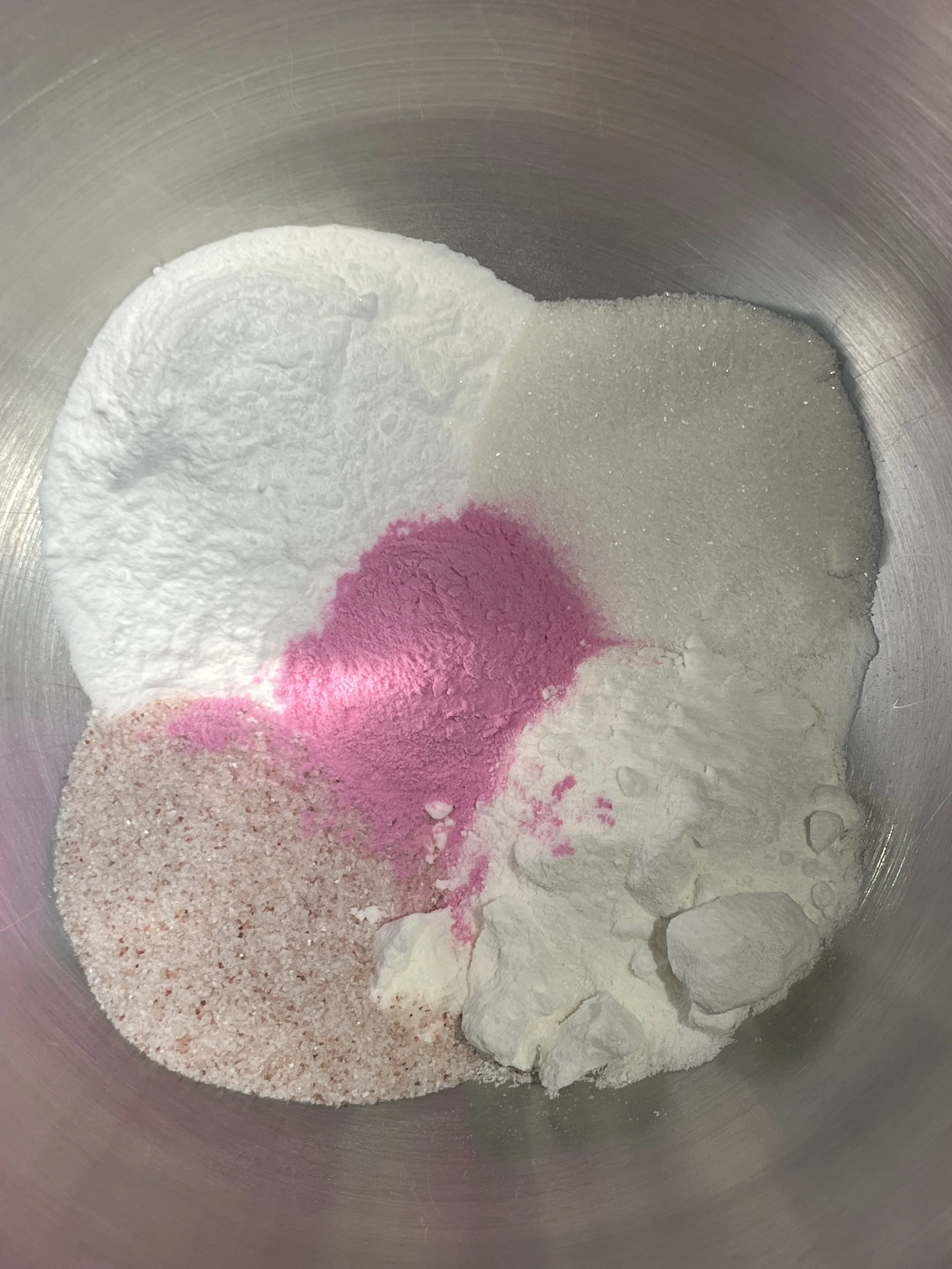
Mix Dry Ingredients: In a large bowl, combine the baking soda, citric acid, coconut milk powder, dragonfruit powder, and salts. Mix well to ensure there are no lumps.
Mix the Oils: In a separate small bowl, combine the carrier oil (if using coconut oil, melt first) and your essential oils. Mix thoroughly.
Combine Oils to the Dry Ingredients: Slowly add the oil mixture to the dry ingredients, a little at a time, mixing continuously. You can use your hands to knead the mixture together.
Add Water to Mixture: Slowly spritz your mixture with water one spray at a time. After each spray thoroughly mix until the mixture holds together when squeezed without crumbling. The texture should be similar to damp sand. Be careful not to add too much water at once, as this can cause the mixture to fizz prematurely.
Mold the Bath Bombs: Press the mixture firmly into bath bomb molds or silicone molds. Pack tightly to ensure they hold their shape.
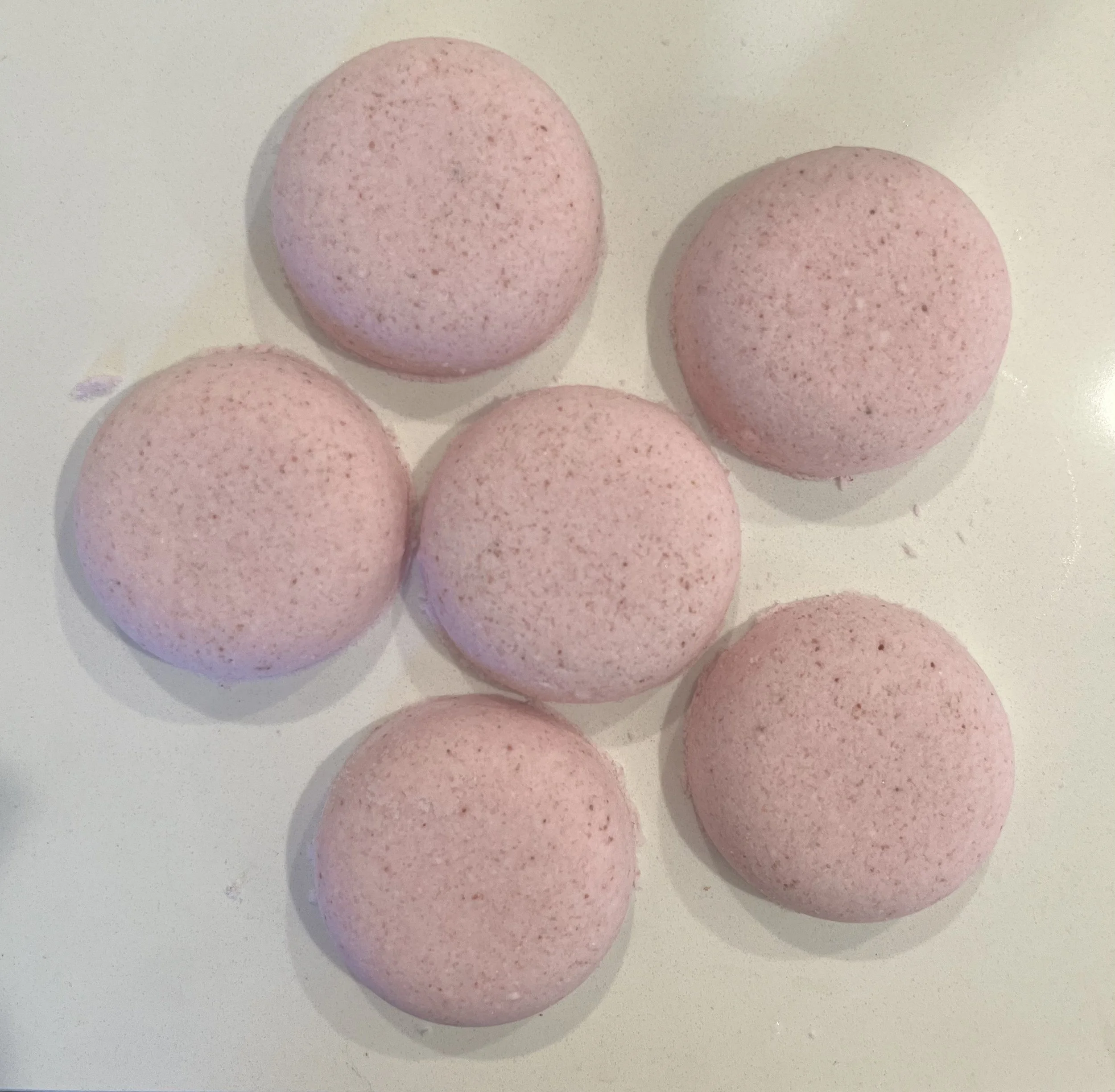
Dry and Set: Allow the bath bombs to dry and set in the molds for at least 24 hours. Once dry, gently remove them from the molds and store in an airtight container.
How to Use: Fill your bathtub with warm water, drop in a bath bomb, and enjoy the fragrant, effervescent soak. Relax and let the botanicals and oils work their magic, soothing your skin and senses.
Creating your own bath bombs is more than just a fun DIY project—it's an opportunity to elevate your self-care ritual. By exploring complex cosmetic formulations, you gain valuable skills in balancing ingredients and understanding their unique properties. Each component, from the fizzy acid-base reaction to the soothing coconut milk powder and therapeutic salts, plays a crucial role in delivering a luxurious bathing experience.
As you dive into this recipe, take the time to appreciate the transformative power of self-care. The intentional act of crafting and using these bath bombs allows you to connect with nature, nurture your body, and find moments of peace and reflection. The delicate scent of jasmine and honeysuckle, combined with the vibrant pink hue from dragonfruit powder, will transport you to a serene springtime oasis.
Remember, the art of making bath bombs is a journey of creativity and discovery. Feel free to experiment with different ingredients, scents, and colors to create your personalized bath-time retreat. Embrace the joy of self-care and share this experience with loved ones by gifting your handcrafted bath bombs.
Now, go ahead and indulge in the sensory delight of your Coconut Milk Bath Bombs. Your mind, body, and spirit will thank you for it.